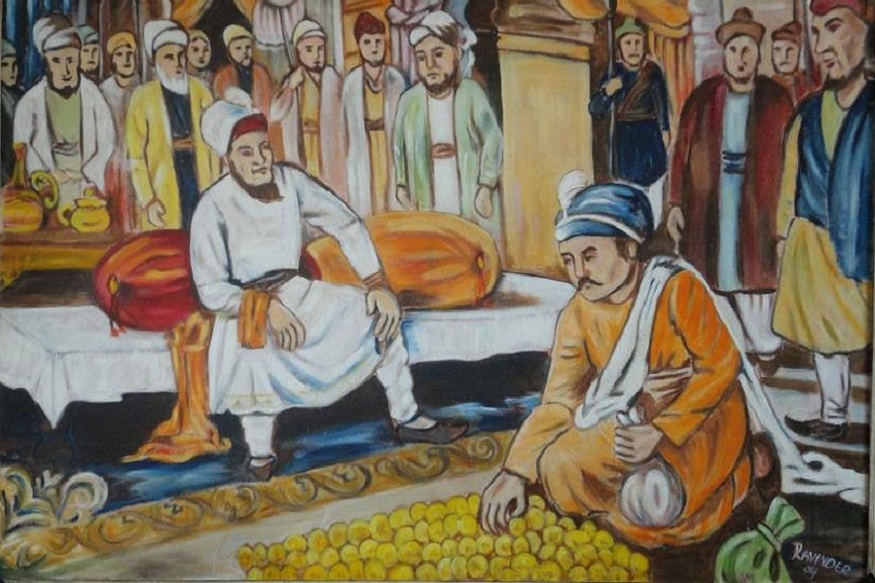
Raja Todar Mal's revenue system, also known as the Zabti or Dahsala system, was a landmark reform introduced during Akbar's reign in the Mughal Empire. As the finance minister, Todar Mal played a crucial role in devising this system, which aimed to ensure fairness, transparency, and efficiency in revenue collection.
*Key Features of the Zabti System:*
- *Land Measurement*: Todar Mal introduced a standardized system of land measurement using a bamboo jarib joined together with iron rings, replacing the earlier hemp rope method. This ensured accurate calculation of land revenue.
- *Classification of Land*: Land was categorized into four types:
- *Polaj*: Fertile land cultivated annually
- *Parauti*: Land left fallow temporarily
- *Chachar*: Land left fallow for 3-4 years
- *Banjar*: Uncultivated land
- *Revenue Calculation*: The revenue was calculated based on the average produce and prices of the past 10 years. The state's share was fixed at one-third of the average produce, payable in cash or kind.
- *Remission and Concessions*: The system provided remission of revenue in cases of crop failure due to drought or flood. Concessions were also given to encourage cultivation of fallow or uncultivated land.
*Administrative Structure:*
- *Revenue Officers*: Todar Mal introduced a hierarchical structure of revenue officers, including:
- *Amal Guzar*: Revenue collectors responsible for supervising revenue administration
- *Qanungo*: Local revenue officials maintaining records of land revenue
- *Patwari*: Village-level officials responsible for revenue affairs
- *Fotedar*: Treasurer responsible for collecting and storing revenue
- *Record-Keeping*: Accurate records and accounts were maintained to ensure transparency and accountability in revenue collection ¹ ².
*Impact of the Zabti System:*
- *Increased Revenue*: The system led to a significant increase in revenue collections, ensuring the financial stability of the empire.
- *Fairness and Transparency*: The Zabti system introduced a fair and transparent method of revenue calculation, reducing arbitrary demands and corruption.
- *Encouragement of Agriculture*: The system encouraged agricultural activities by providing loans and concessions to farmers, promoting investment in land improvement and increasing productivity ³.
Overall, Todar Mal's revenue system was a significant reform that brought stability and efficiency to the Mughal Empire's revenue administration, ensuring fairness and transparency in revenue collection while promoting agricultural growth and productivity.