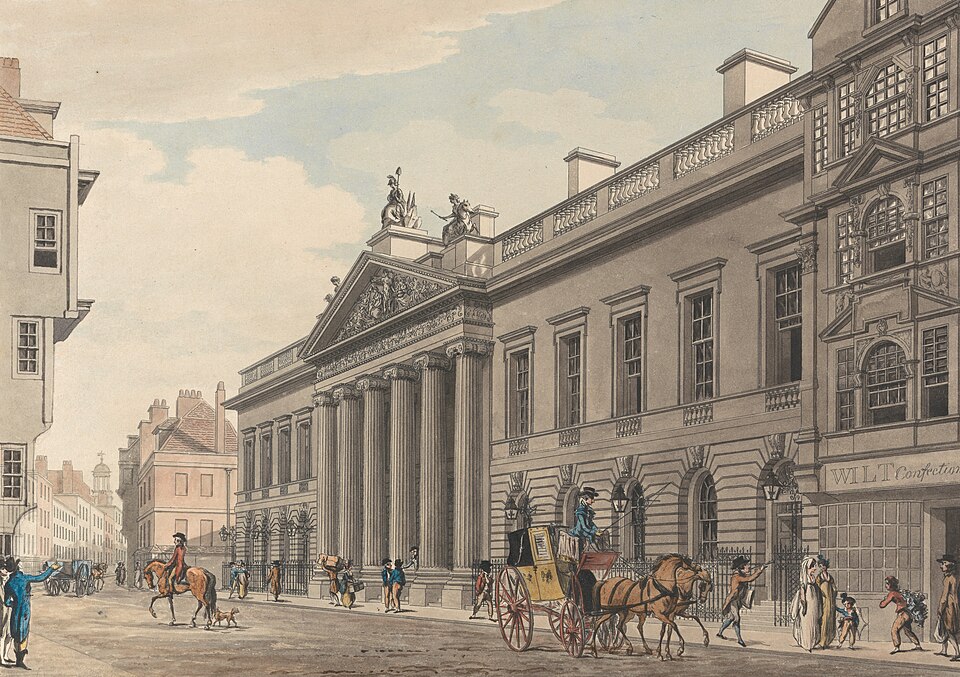
The first element of governance in India was laid down during the British colonial rule, specifically with the Indian Councils Act of 1909, also known as the Morley-Minto reforms. This act introduced elections to the Imperial Legislative Council, marking the beginning of representative government in India. Prior to this, governance was carried out by an all-European Legislative Council and Viceroy's Executive Council, with no Indian representation ¹.
*Key Features of the Indian Councils Act 1909:*
- *Expansion of Legislative Council*: The act increased the number of members in the Imperial Legislative Council from 16 to 60.
- *Introduction of Elections*: For the first time, elections were introduced to the council, although the franchise was limited to a select few.
- *Representation of Indians*: The act provided for the inclusion of Indians in the council, although their numbers were limited.
This marked the beginning of a gradual shift towards representative government in India, paving the way for future reforms and eventually, independence. The Government of India Act 1919 and 1935 further expanded on these reforms, introducing dyarchy and provincial autonomy ¹ ².
*Post-Independence Governance Structure:*
After India gained independence in 1947, the Constitution of India came into effect on January 26, 1950, establishing a democratic republic with a parliamentary system of government. The Constitution vests power in the President, Prime Minister, and the bicameral Parliament, comprising the Rajya Sabha and Lok Sabha ¹ ³.
- *Parliamentary Democracy*: India's governance structure is based on the British Westminster system, with a President as head of state and a Prime Minister as head of government.
- *Federal Structure*: India has a federal structure, with power divided between the central government and states.
- *Judiciary*: The Supreme Court of India is the highest court, with the power of judicial review.
*Good Governance Initiatives:*
In recent years, India has implemented several initiatives to promote good governance, including ⁴ ²:
- *Right to Information Act (2005)*: Allows citizens to access information about government activities.
- *E-Governance*: Use of technology to improve governance and service delivery.
- *Good Governance Index*: A tool to measure governance outcomes across states and union territories.
Overall, the governance structure in India has evolved significantly over the years, with a focus on representative government, democracy, and good governance.