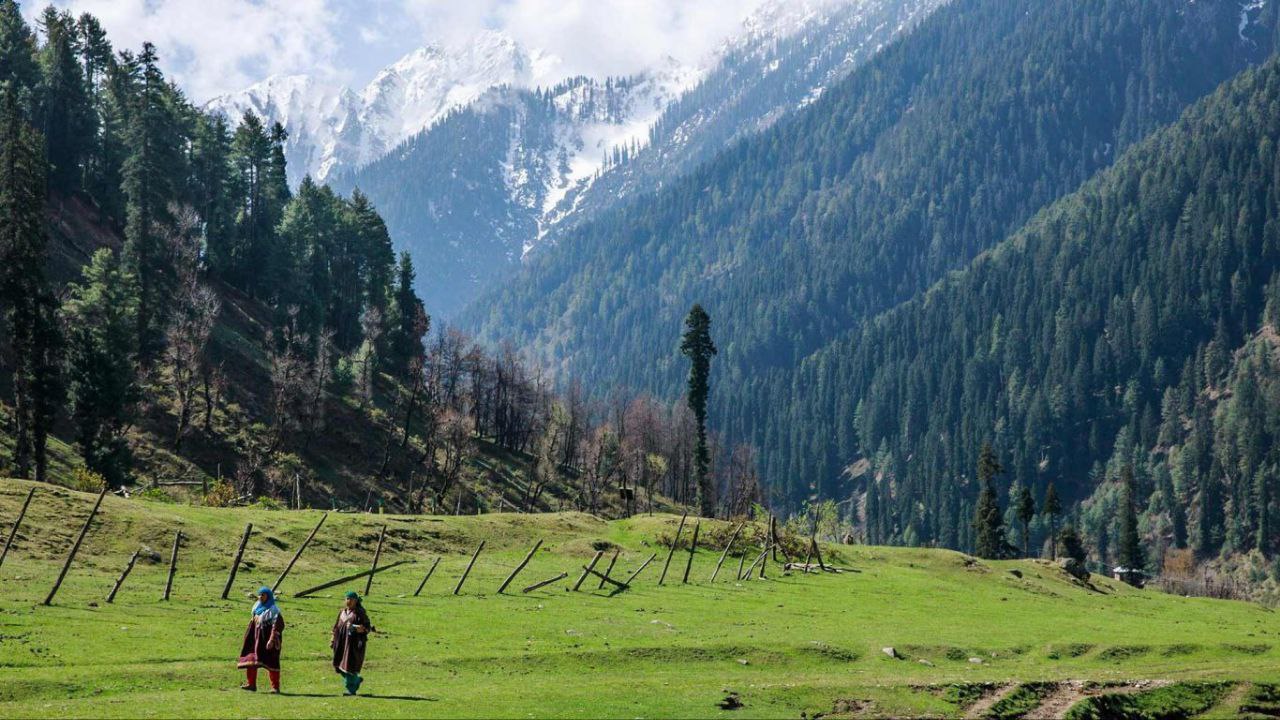
Uttarakhand, often called the "Land of the Gods" (Devbhumi), is a state in Northern India renowned for its Himalayan beauty and Hindu pilgrimage sites. General Information * Establishment Year: November 9, 2000, as the 27th state of India, carved out of Uttar Pradesh. It was initially named Uttaranchal and renamed Uttarakhand in January 2007. * Borders: * North: Tibet Autonomous Region of China. * East: Nepal. * South: Uttar Pradesh. * North-West: Himachal Pradesh....Read More
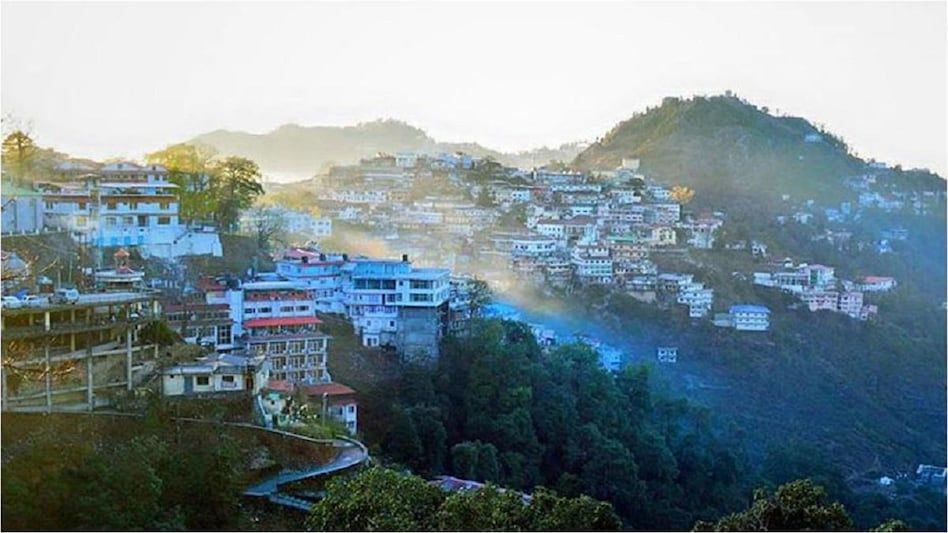
उत्तराखंड, जिसे अक्सर "देवभूमि" (देवताओं की भूमि) कहा जाता है, उत्तरी भारत का एक राज्य है जो अपनी हिमालयी सुंदरता और हिंदू तीर्थ स्थलों के लिए प्रसिद्ध है। सामान्य जानकारी * स्थापना वर्ष: 9 नवंब...Read More
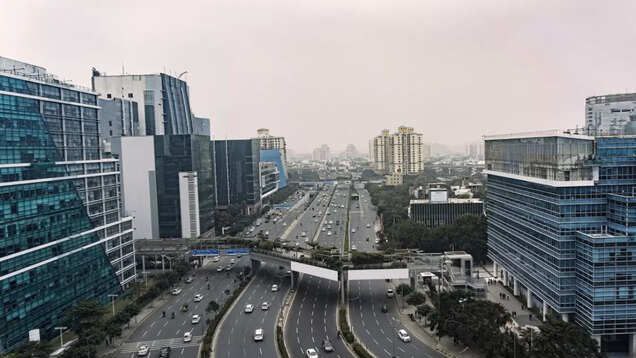
Haryana is a northern state of India, known for its history and industrial development. Establishment and Geography | Aspect | Details | |---|---| | Establishment | November 1, 1966, carved out of the former state of Punjab. | | Capital | Chandigarh (shared with Punjab, administered as a Union Territory). | | Borders | North: Punjab and Himachal Pradesh. West and South: Rajasthan. East: Uttar Pradesh and Uttarakhand (border defined by the Yamuna River). It also surrounds the National Cap...Read More
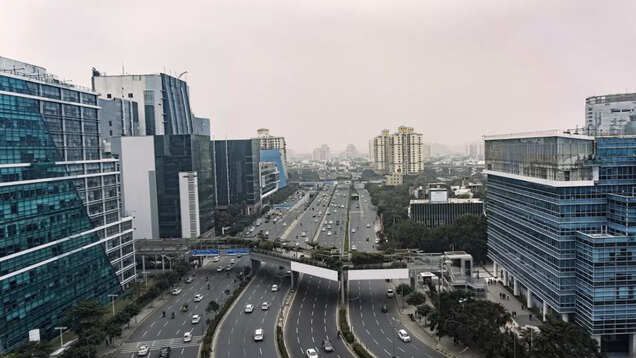
हरियाणा भारत का एक उत्तरी राज्य है, जो अपने समृद्ध इतिहास और तेजी से होते औद्योगिकीकरण के लिए जाना जाता है। स्थापना और सीमाएँ (Establishment and Borders) | पहलू (Aspect) | विवरण (Details) | |---|---| | स्थापना वर्ष | 1 नवंबर 1966, यह पà...Read More
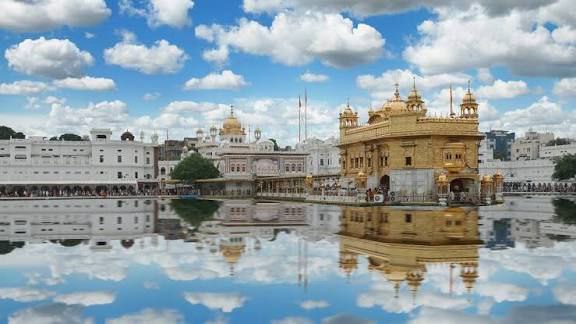
The state of Punjab, in its present form, was established on November 1, 1966. It is a region with a rich and ancient history, being part of the larger historical Punjab region. Geography and Demographics Borders The state of Punjab, India, shares its international border with Pakistan to the west. Domestically, it borders: * Jammu and Kashmir (Union Territories of Jammu and Kashmir and Ladakh) to the north. * Himachal Pradesh to the east. * Haryana to the south and southeast. Â...Read More
पंजाब राज्य के बारे में संपूर्ण जानकारी (भारत) वर्तमान स्वरूप में पंजाब राज्य की स्थापना 1 नवंबर 1966 को हुई थी, जब भाषाई आधार पर इसके अधिकांश हिंदी भाषी क्षेत्रों को अलग कर हरियाणा राज्य का गठन कà...Read More
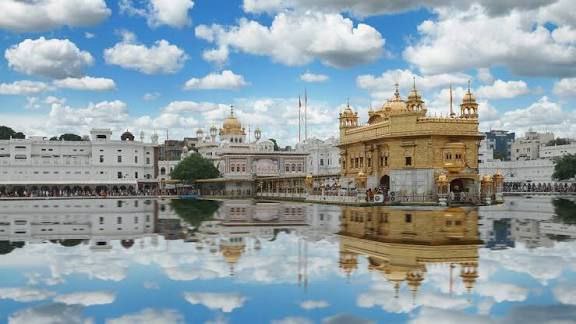
1. Establishment Year and Status * Establishment as State: January 25, 1971, when it became the 18th state of the Indian Union. * Initial Formation: The region was originally formed as the Chief Commissioner's Province of Himachal Pradesh on April 15, 1948, through the integration of 30 princely states. 2. Borders Himachal Pradesh is located in the Western Himalayas and is bordered by: * North: Jammu and Kashmir Union Territory and Ladakh Union Territory. * West and South-West:...Read More
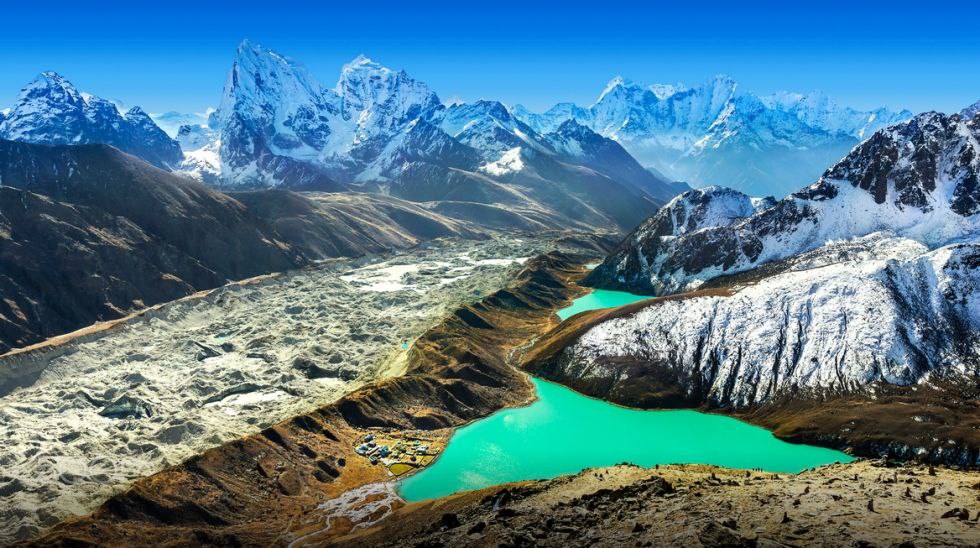
1. स्थापना वर्ष और स्थिति * राज्य के रूप में स्थापना: 25 जनवरी, 1971, जब यह भारतीय संघ का 18वां राज्य बना। * प्रारंभिक गठन: इस क्षेत्र का मूल रूप से 30 रियासतों के एकीकरण के माध्यम से 15 अप्रैल, 1948 को हिमाचल ...Read More
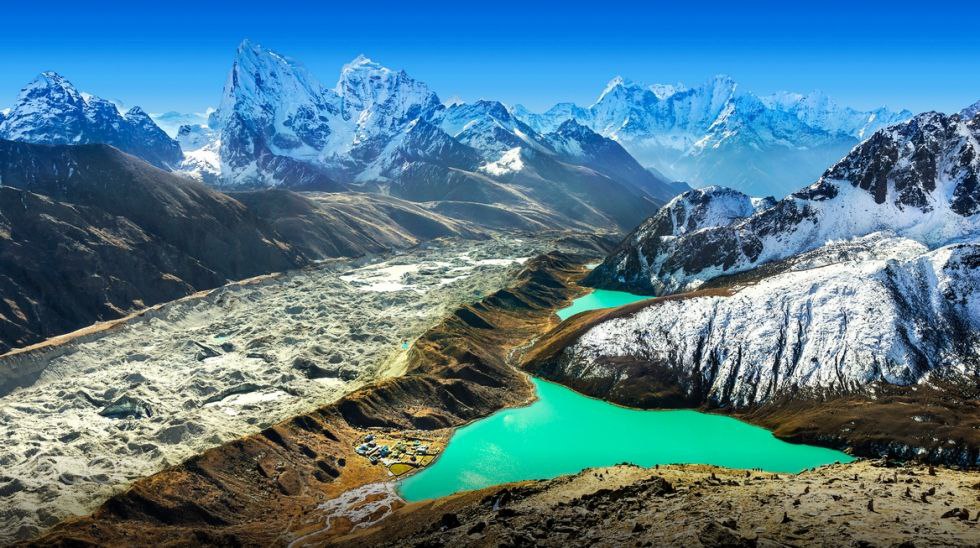
The administrative and constitutional status of Jammu and Kashmir has undergone significant changes over time, especially with its recent reorganization. Here are the details based on its current status as a Union Territory of India, along with historical context: 1. Establishment Year * As a Princely State: The state of Jammu and Kashmir came into being as a single political and geographical entity following the Treaty of Amritsar in March 1846 between the British Government and Maharaja Gu...Read More
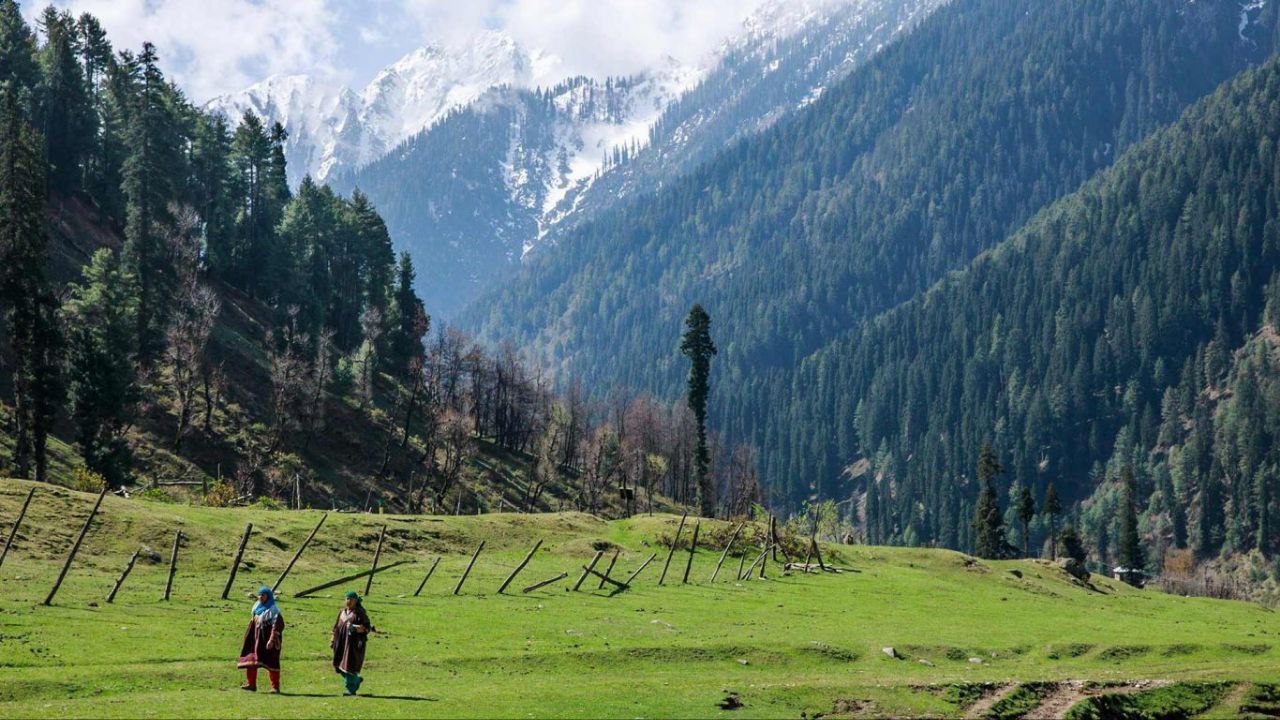
जम्मू और कश्मीर की प्रशासनिक और संवैधानिक स्थिति में, विशेष रूप से इसके हालिया पुनर्गठन के साथ, महत्वपूर्ण बदलाव आए हैं। यहाँ एक केंद्र शासित प्रदेश के रूप में इसकी वर्तमान स्थिति के आधार पर à...Read More