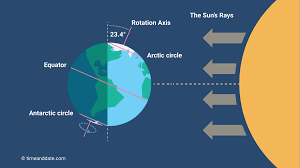
हर साल दिसंबर महीने में कभी 21 तारीख को सबसे छोटा दिन होता है तो कभी 22 तारीख को उत्तरी गोलार्द्ध में साल का सबसे छोटा दिन होता है. इस खगोलीय घटना को Winter Solstice कहा जाता है. ...Read More
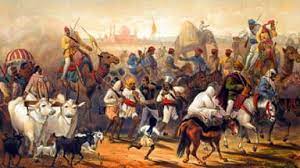
लखनऊ में 1857 की क्रांति का नेतृत्व बेगम हज़रत महल ने किया था। अपने नाबालिग पुत्र बिरजिस क़द्र को गद्दी पर बिठाकर उन्होंने अंग्रेज़ी सेना का स्वयं मुक़ाबला किया। ...Read More
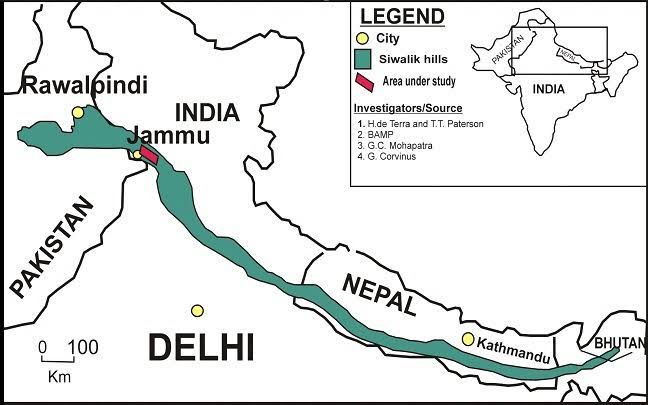
▪️Also known as Churia Hills ▪️In some Sanskrit texts, the region is called Manak Parbat. ▪️Sivalik region is home to the Soanian archaeological culture ▪️They have many subranges and extend west from Arunachal Pradesh through Bhutan to West Bengal, and further westward through Nepal (here known as Churia Hills) and Uttarakhand, continuing into Himachal Pradesh and Kashmir. ▪️People of the Lepcha tribe inhabit the Sikki...Read More
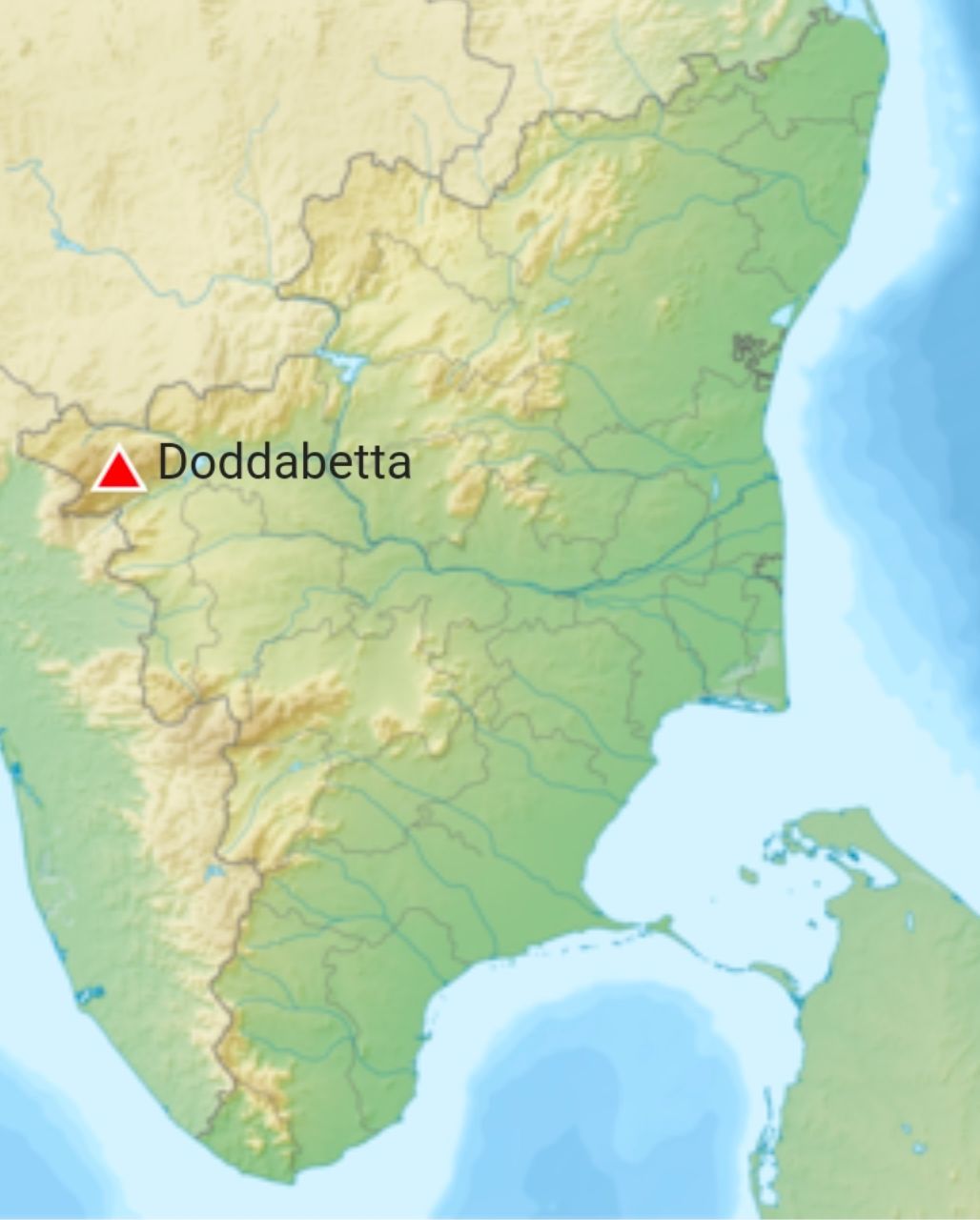
▪️Doddabetta is the highest mountain in the Nilgiri Mountains at 2,637 metres (8,652 feet) ▪️ It is the fourth highest peak in South India next to Anamudi, Mannamalai and Meesapulimala. ▪️ Location : Udagamandalam, Nilgiri District, Tamilnadu ▪️ Parent range : Nilgiri Hills ▪️The area surrounding Doddabetta is mostly forested. Sholas cover the hollows of its slopes ...Read More
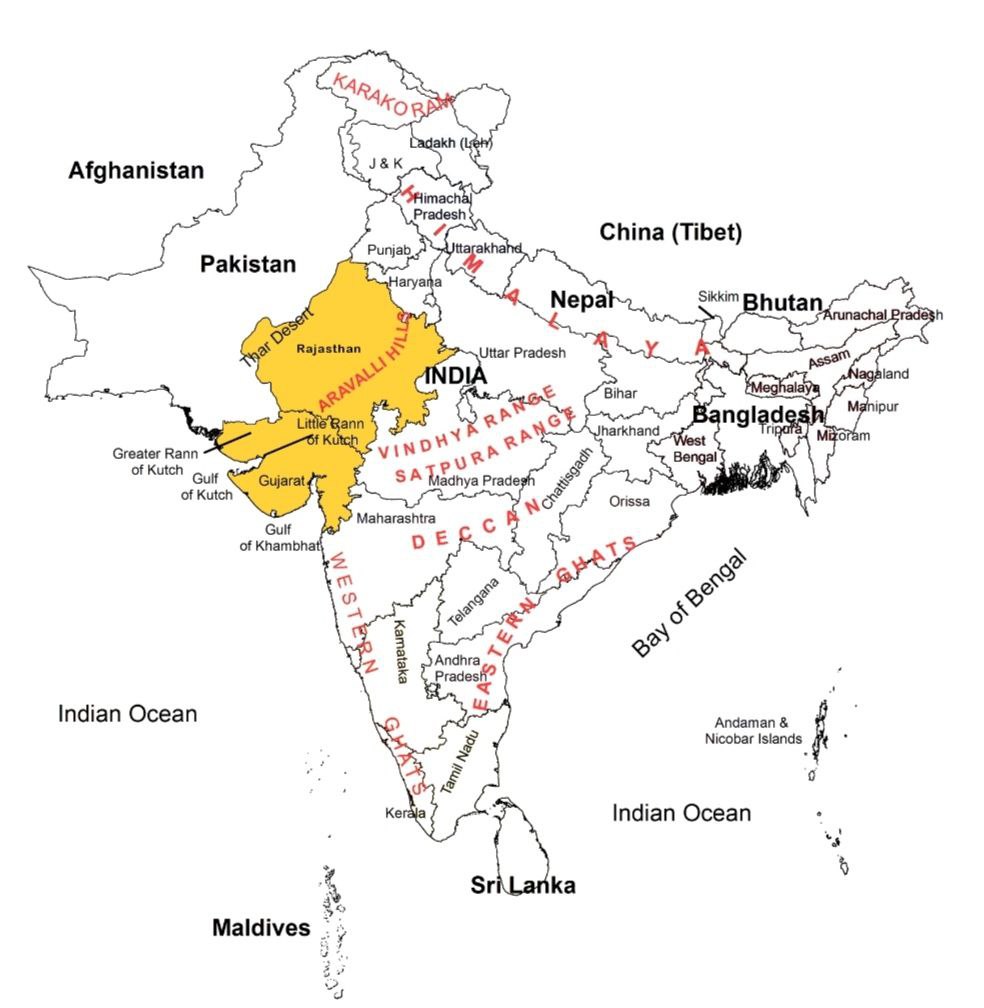
▪️The Aravalli Range is a mountain range in Northwestern India, running approximately 692 km in a south-west direction, starting near Delhi, passing through southern Haryana and Rajasthan, and ending in Gujarat. ▪️ The highest peak is Guru Shikhar (Mount Abu) at 1,722 metres (5,650 ft). ▪️Rivers passing : Banas, Luni, Sakhi and Sabarmati ▪️ "The Great Green Wall of Aravalli" is a 1,600 km long and 5 km wide green ecological corridor along A...Read More
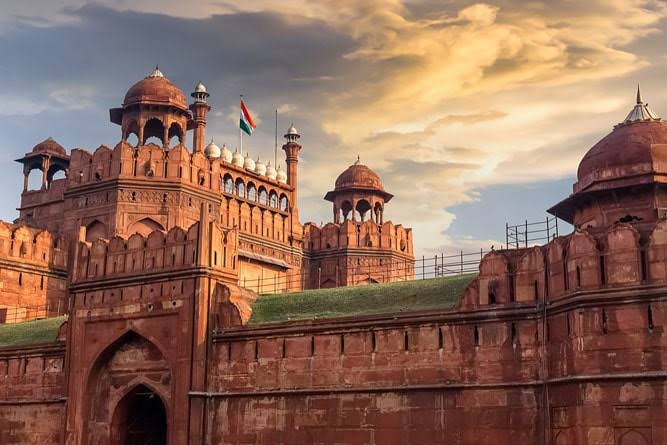
दिल्ली के लाल किले पर आजादी के बाद पहले प्रधानमंत्री बने जवाहरलाल नेहरू ने देश की जनता को संबोधित किया था. जिसके बाद इस हर साल लाल किले पर ही आजादी का जश्न मनाया जाता है. बता दें कि लाल किले का नि...Read More
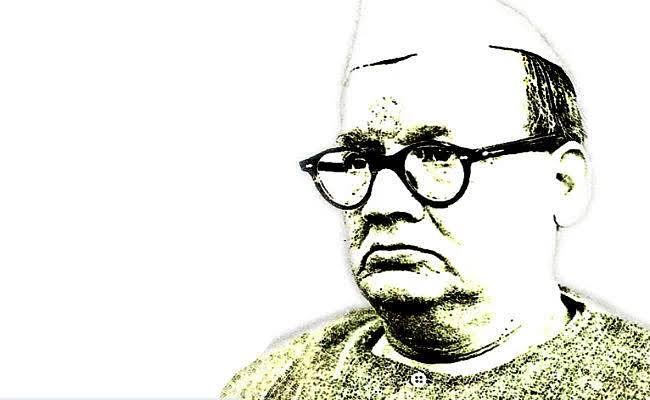
“बिहार केसरी” डॉ. श्रीकृष्ण सिंह (श्री बाबू)), भारत के अखंड बिहार राज्य के प्रथम मुख्यमंत्री थे। इनका कार्यकाल जनवरी 1946 से जनवरी 1961 तक था| यह कांग्रेस पार्टी से हैं| उनके सहयोगी डॉ. अनुग्रह नारायण...Read More
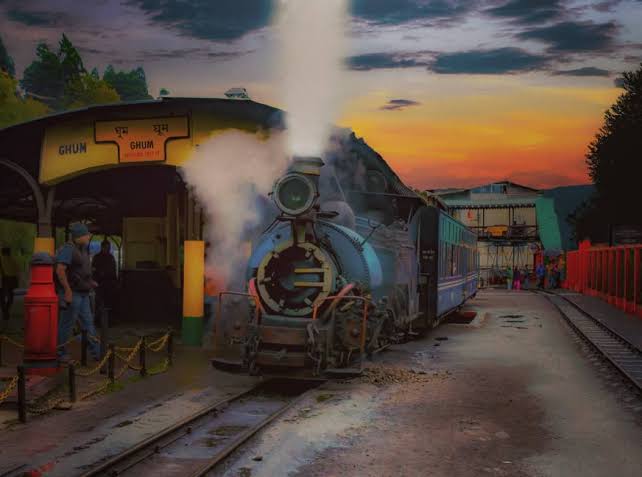
घुम रेलवे स्टेशन पश्चिम बंगाल के दार्जिलिंग में स्थित दार्जिलिंग हिमालयन रेलवे का एक स्टेशन है। यह भारत का सबसे ऊँचा रेलवे स्टेशन है जो 2,258 मीटर (7,407 फीट) की ऊँचाई पर स्थित है। घुम में ही घुम मठ औà¤...Read More
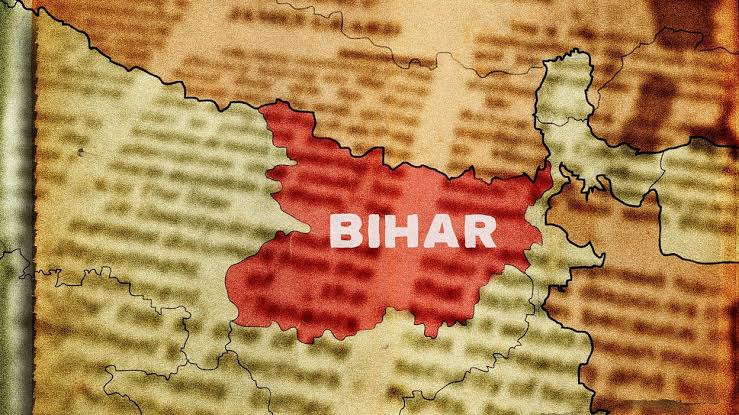
इसकी स्थापना तब हुई जब अंग्रेजों ने बंगाल से नए राज्य बनाए। इसके बाद 15 नवंबर 2000 को दक्षिणी बिहार से झारखण्ड राज्य का निर्माण हुआ। हर साल 22 मार्च को बिहार दिवस के नाम से मनाया जाता है। बिहार दिवस à...Read More
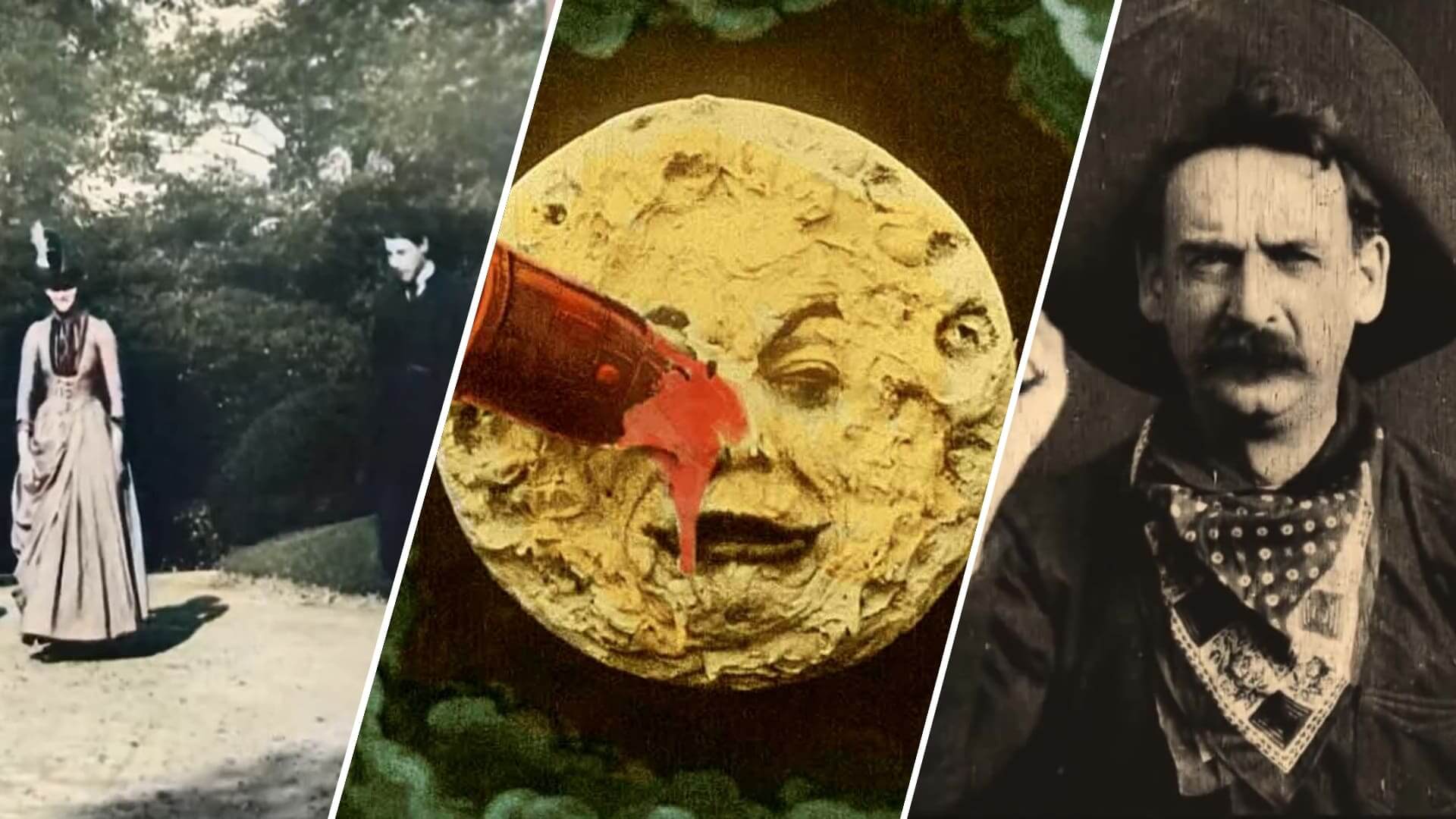
22 मार्च 1895 को पेरिस में पहली बार सार्वजनिक रूप से एक फिल्म दिखाई गई। लुई ल्यूमियर ने फैक्ट्री से बाहर निकलते कामगारों का एक वीडियो रिकॉर्ड कर स्क्रीन पर दिखाया था। इस तकनीक को ल्यूमियर ब्रदर्à¤...Read More